Background
Perched on a wooded rise above Prior Lake, Glacier Point embodies a philosophy of design where every element serves a purpose and nothing competes for attention. Architecture, lighting, and technology work in quiet harmony, creating an experience that feels effortless rather than engineered. Clean spans of steel, stone, and glass extend toward the water with understated confidence, while warmth emerges through tactile materials, layered textures, and a hand carved sauna whose meticulous craftsmanship anchors one wing of the residence above the connected garage.
From initial schematics through completion, Aurora One Lighting was a core design partner, embedding architectural lighting strategy into the building's conceptual framework rather than applying it as an afterthought. That integrated approach meant lighting design became inseparable from the architecture itself, in concert with the spatial, material, and technical decisions that defined the project.
We didn’t coordinate on plans — we walked the site together, tested mockups, and shared iterative models to fine-tune every detail.

Design Goals
- Integrate lighting and shading seamlessly into the architecture, ensuring every fixture, pocket, and control felt intentional and visually unobtrusive.
- Develop a layered lighting design that complemented the interior designer's vision, enhancing the home's warmth, refinement, and sense of comfort.
- Create intuitive lighting scenes that adapted to mood and time of day, delivering the right atmosphere at the right moment while remaining effortlessly in the background.
The Challenge
The ambition at Glacier Point wasn’t scale—it was integration. Every detail needed to feel intentional and seamlessly connected to the architecture. Shade pockets were concealed within structural steel spans. Fixtures aligned with architectural reveals measured in fractions of an inch. Keypad finishes and lighting color temperatures were selected alongside stone, millwork, and textiles to ensure every element contributed to a cohesive experience.
Achieving that level of refinement required close collaboration from the earliest stages of design. Aurora One worked alongside the design team and trade partners throughout the process, using mockups, iterative models, and on-site reviews to evaluate each decision in context. Every choice influenced another, making coordination essential to preserving the integrity of the overall design.
Maintaining responsibility for both design and implementation allowed the original vision to carry through from concept to commissioning. Equally important was ensuring the technology felt intuitive for the family who would live with it every day. Lighting scenes and controls were designed to support daily routines naturally, creating an experience that feels effortless, comfortable, and deeply connected to the way the home is used.
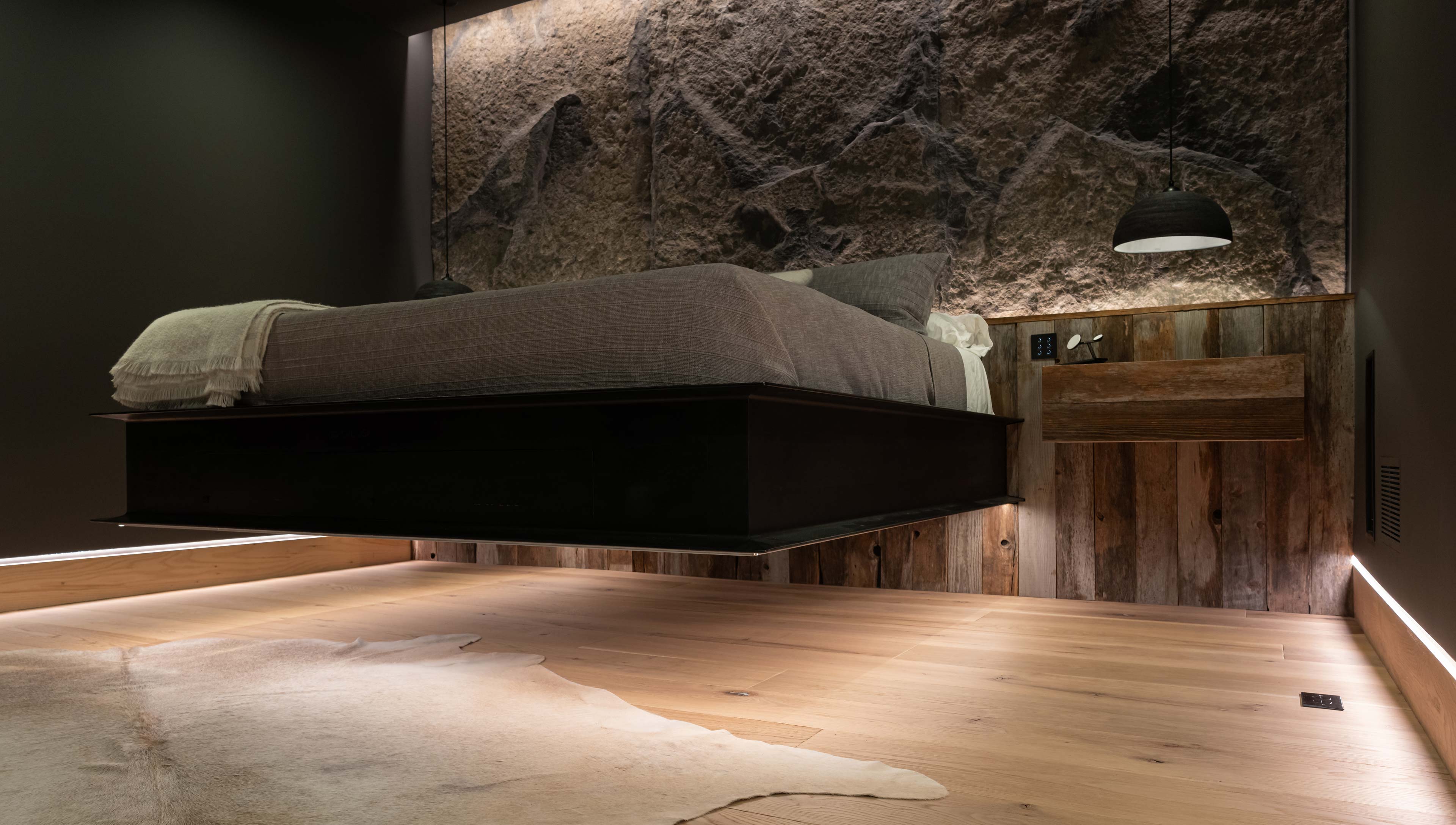
Lighting and shading here are not layered on after the fact. They are architected into the structure, married to materials, and choreographed into the user experience.
The Solution
Light, Shade, and Control as Architecture
Too often, technology feels separate from the home it’s intended to serve. At Glacier Point, the vision was the opposite. Lighting, shading, and control were considered integral elements of the architecture, planned alongside the steel, stone, and millwork from the earliest stages of design. The result reflects a truly integrated design process, with the builder, lighting designer, integrator, architect, interior designer, and trade partners working in concert from concept through completion.
Aurora One developed the lighting and shading design strategy, while sister company Admit One integrated the home's control infrastructure, ensuring lighting, shading, audio, video, security, and automation systems operated as a cohesive whole. Together, the teams specified HomeWorks as the backbone of the experience, with Ketra providing tunable, full-spectrum light that enhanced the home's material palette and Sivoia QS shades managing daylight across expansive walls of glass. While product selection was important, the true success of the design came from the coordination behind it. Every decision was made in context, allowing each element to feel essential to the architecture rather than added to it.
Shade pockets were integrated into structural steel during framing coordination. Downlight locations were carefully aligned with architectural reveals before ceilings closed. Keypad finishes were selected alongside hardware and decorative fixtures so wall controls felt like a natural extension of the home's design language, refined, intentional, and visually unobtrusive.


Light That Follows the Day
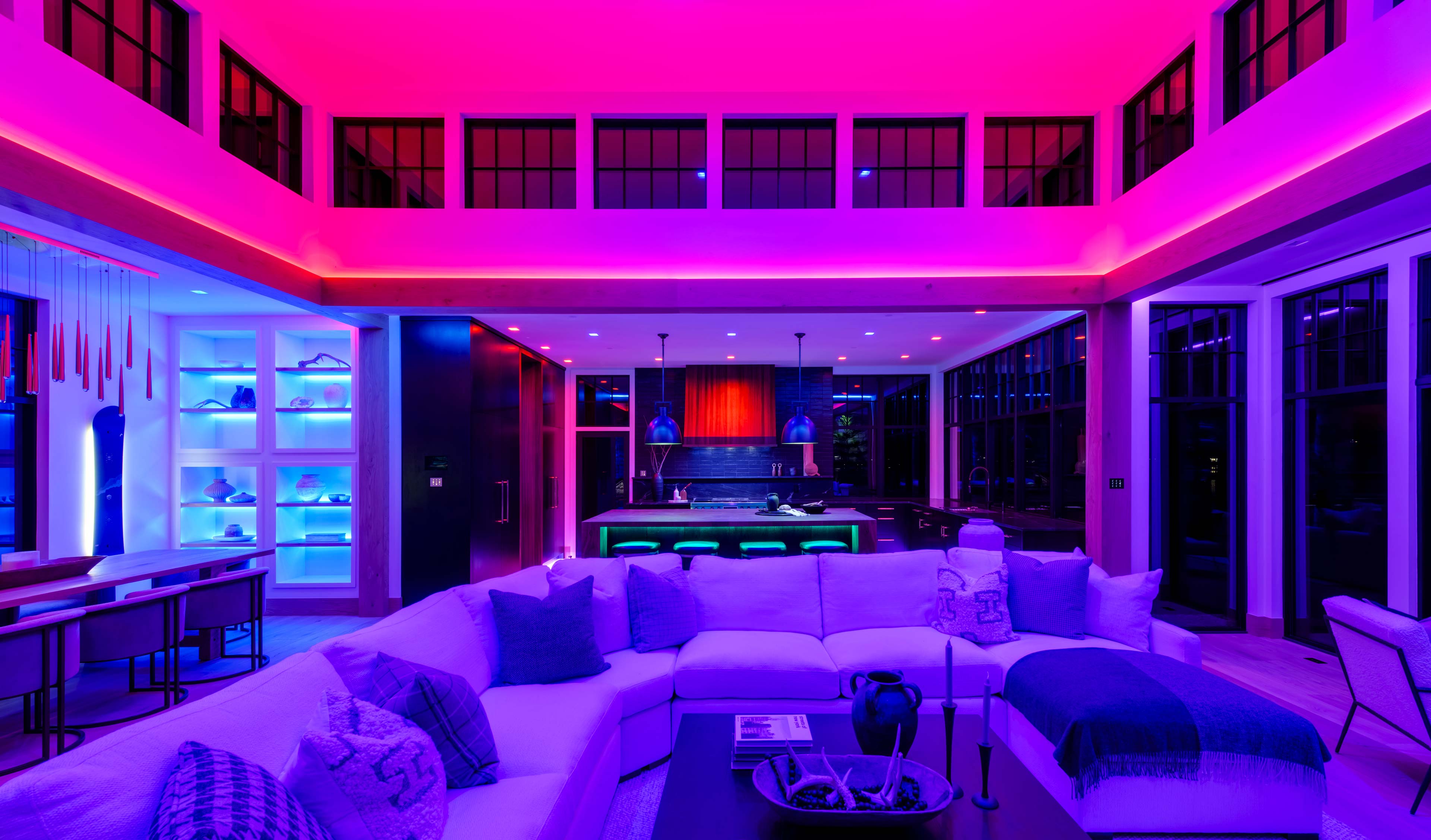
Ketra's tunable light guides the home through a carefully considered arc from morning to evening. At breakfast, a soft amber glow settles into the kitchen, reminiscent of the first light reflecting across the lake. The effect is subtle, creating a sense of warmth and comfort before anyone notices the electric lighting. By midday, the light shifts to crisp, balanced whites that complement the daylight streaming through expansive glass walls. Materials reveal their true character; wood tones gain depth, and the architecture feels bright, natural, and alive. As evening arrives, the palette gradually warms into a "Cozy" scene, filling the home's gathering spaces with an inviting glow that encourages relaxation without requiring a single adjustment.
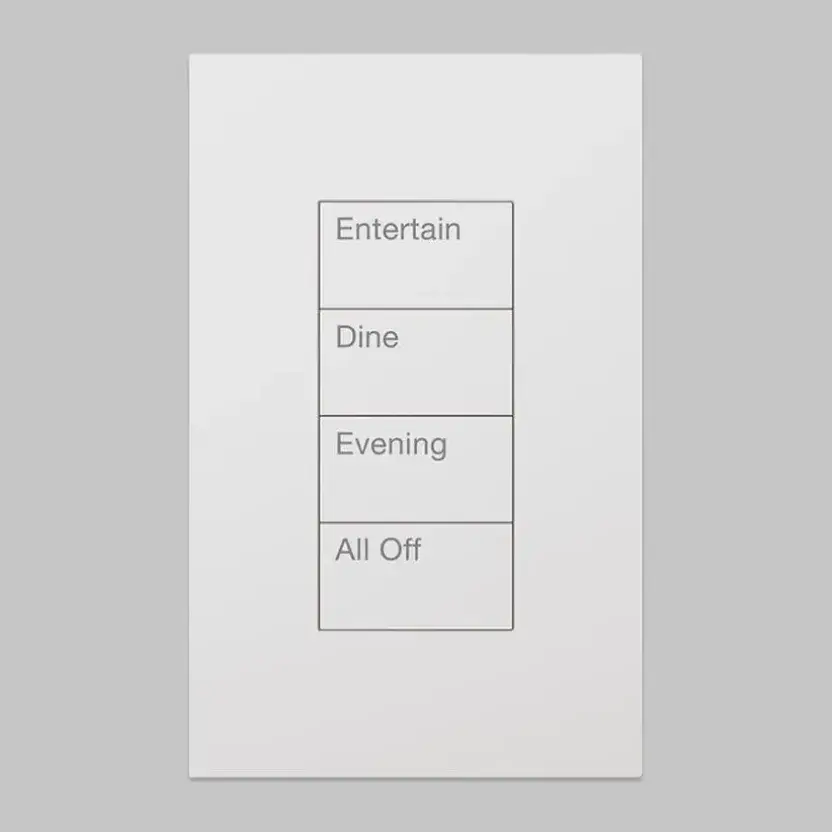
Throughout the home, a library of personalized scenes including Vegas Mode, Cookie Time, Marvin Gaye, Starlord, Everyday, Fancy, Goodbye, Goodnight, Entertain, Welcome, and Big Spoon gives the family an intuitive and playful way to shape the atmosphere around daily routines and special occasions. Even the hand-carved sauna receives its own treatment: a custom backlit scene highlights the craftsmanship of each surface, transforming a functional space into a memorable experience.


Tactile Controls, Effortless in Use
Palladiom keypads, placed with the same care as any other architectural detail, give the family direct, tactile access to the moments that matter. Thoughtfully integrated into the home's design, they’re meant to be seen, touched, and enjoyed. For everything else, the Lutron app provides seamless control behind the scenes. The result is an experience that feels intuitive from day one, allowing the home to respond naturally to the way the family lives.
Results
Glacier Point succeeds because nothing within it competes for attention. The lighting adapts throughout the day. The shades move in harmony with the changing light. Scenes support daily routines with a subtlety that feels natural, not programmed. Achieving that level of refinement required more than technology. It required a shared vision carried from the earliest design conversations through final commissioning, ensuring every detail remained aligned with the architectural intent.
The result is a home that feels calm, cohesive, and deeply connected to the people who live there. Glacier Point stands as a reminder of what’s possible when lighting, technology, and architecture are considered together from the very beginning—and that the most successful design elements are often the ones that feel as though they were always meant to be there.